Stroke Recovery at Home in Cameroon
A stroke can change a family’s life in a matter of minutes.
One day, your father is walking to the market. The next day, he cannot move one side of his body. A mother who once cooked for the entire family may suddenly struggle to speak or stand. The emotional shock is overwhelming, and many families are left asking the same question:
“What happens now?”
The truth is that recovery from a stroke does not end when a patient leaves the hospital. In many cases, the real work begins at home.
For families in Limbe, Buea, Tiko, Douala, and throughout Cameroon, understanding how to support a stroke survivor can make a significant difference in their recovery journey.
What Is a Stroke?
Stroke Recovery at Home in Cameroon
A stroke occurs when blood flow to part of the brain is interrupted or reduced. Without oxygen, brain cells begin to die within minutes.
There are two main types:
Ischemic Stroke
The most common type. It occurs when a blood clot blocks a blood vessel supplying the brain.
Hemorrhagic Stroke
Occurs when a blood vessel ruptures and causes bleeding within the brain.
Both types require urgent medical treatment.
Common Challenges After a Stroke
Every patient is different, but many stroke survivors experience:
- Weakness on one side of the body
- Difficulty walking
- Problems speaking or understanding language
- Memory issues
- Difficulty swallowing
- Vision problems
- Emotional changes such as depression or anxiety
These challenges can affect every aspect of daily life.
Why Early Rehabilitation Matters
The brain has an amazing ability to adapt after injury. This process is called neuroplasticity.
The earlier rehabilitation begins, the better the chances of regaining lost function.
Without rehabilitation:
- Muscles become weak
- Joints become stiff
- Balance worsens
- Independence decreases
This is why physiotherapy and home rehabilitation are critical parts of stroke recovery.
What Home Rehabilitation Looks Like
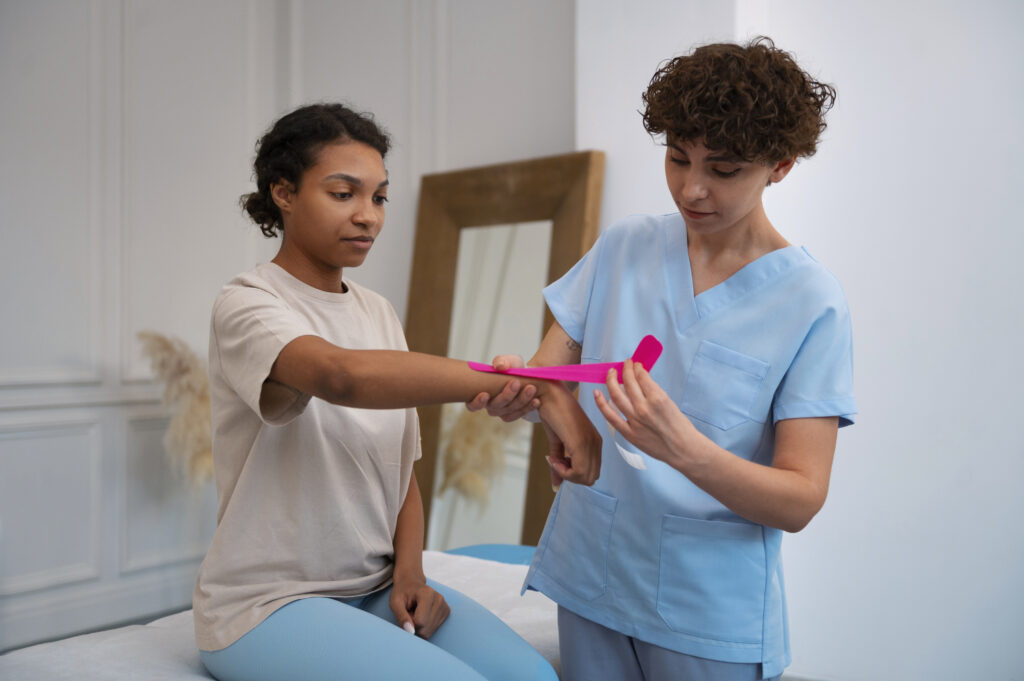
At Global Health Compass Limbe, rehabilitation begins with a comprehensive assessment.
A physiotherapist evaluates:
- Mobility
- Muscle strength
- Balance
- Walking ability
- Daily living skills
A personalised recovery plan is then created.
Typical Rehabilitation Activities
Depending on the patient’s condition, exercises may include:
- Assisted walking
- Balance training
- Strengthening exercises
- Transfer training
- Coordination activities
- Functional movement practice
Progress is monitored regularly and adjusted as recovery improves.
The Family’s Role in Recovery
Family support is one of the strongest predictors of successful recovery.
Here are practical ways families can help:
Encourage Daily Practice
Small exercises performed consistently often produce better results than occasional intense sessions.
Create a Safe Environment
Remove loose rugs and clutter.
Ensure pathways are clear.
Provide adequate lighting.
Install support rails where possible.
Celebrate Progress
Recovery can be slow.
Being able to stand independently for 30 seconds may seem small, but it represents real progress.
Avoid Overprotection
Many families try to do everything for the patient.
While support is important, encouraging independence helps recovery.
Emotional Recovery Is Important Too
Depression is common after a stroke.
Patients may feel frustrated, embarrassed, or hopeless.
Families should:
- Listen patiently
- Encourage social interaction
- Celebrate achievements
- Seek professional support when necessary
Recovery involves both physical and emotional healing.
Warning Signs That Require Medical Attention
Seek urgent medical care if a stroke survivor develops:
- Sudden weakness
- New speech difficulties
- Severe headache
- Chest pain
- Difficulty breathing
- Loss of consciousness
These symptoms should never be ignored.
How Home Nursing Supports Stroke Recovery
Professional home nursing can help by:
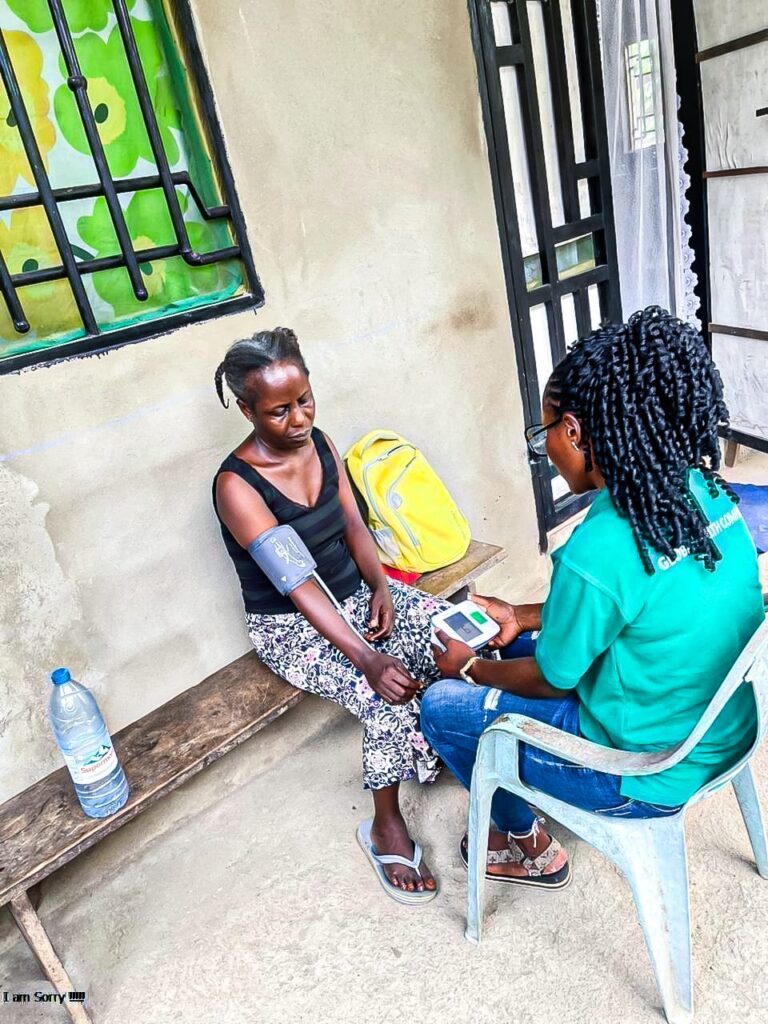
- Monitoring blood pressure
- Managing medications
- Preventing pressure sores
- Supporting mobility
- Educating family caregivers
- Coordinating with doctors and physiotherapists
This support helps families feel more confident while improving patient safety.
A Recovery Journey, Not a Race
Many stroke survivors continue improving for months or even years after the initial event.